
The Latest
Updates from Local Solutions Support Center
The Local Solutions Support Center, in partnership with the research team at Bully Pulpit International, is proud to release the Redefining Abusive Preemption Playbook – a new tool designed to help advocates and communicators make a research-based case against abusive preemption.
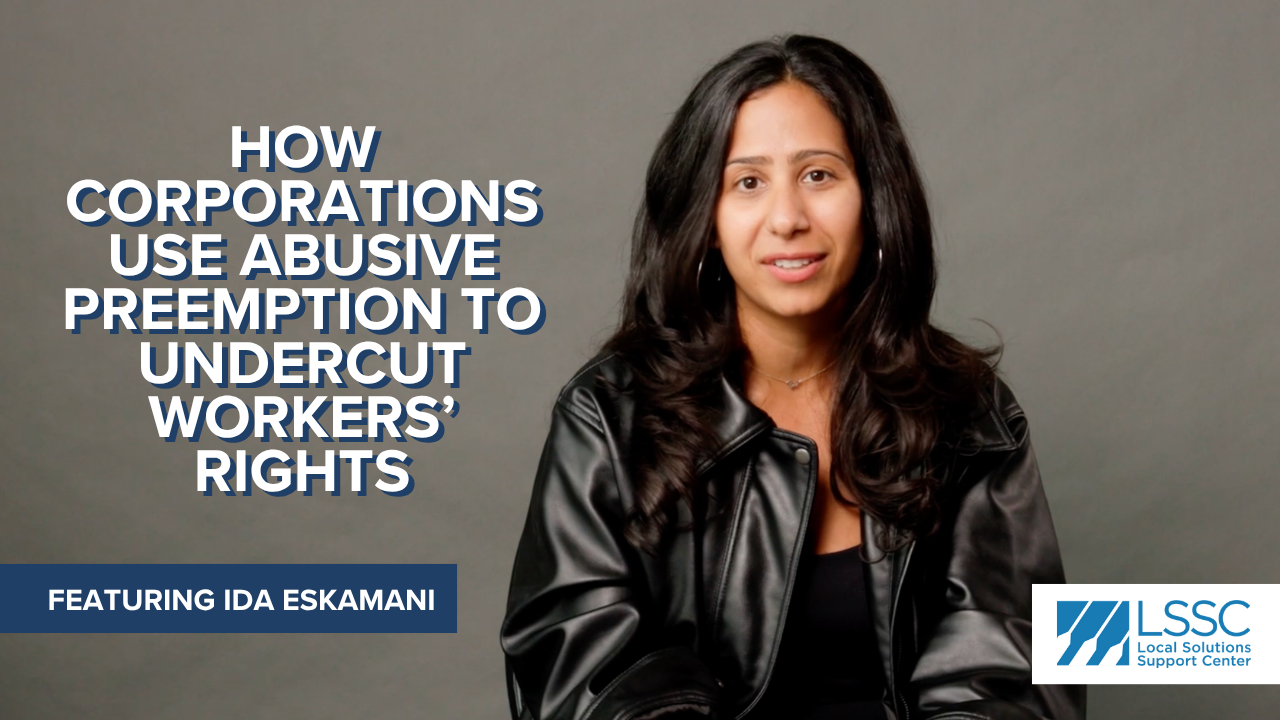
Ida V. Eskamani of State Innovation Exchange shares a story illustrating how huge corporations collude with lawmakers to preempt protections for workers.
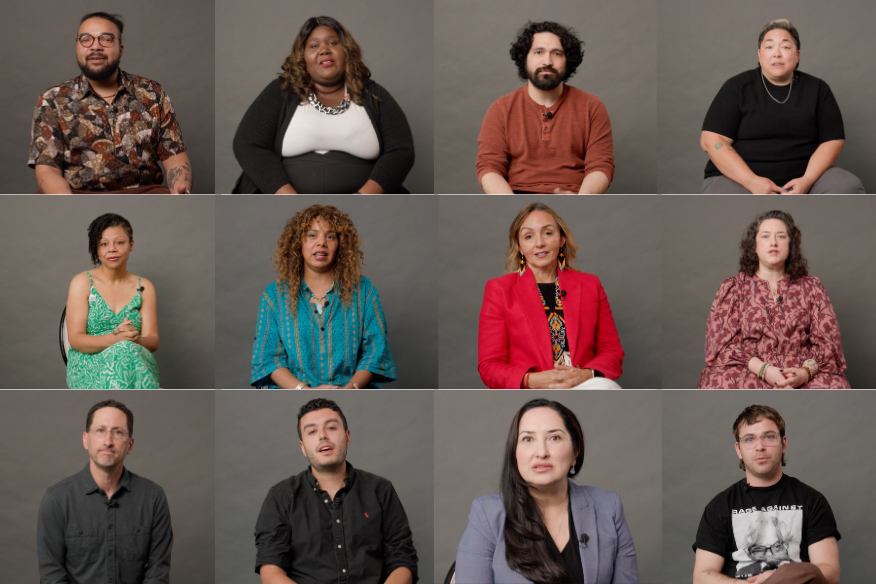
In this video – the first in a series of clips that spotlight many different aspects of abusive preemption – advocates, researchers, and experts share the ways that they’ve seen firsthand how abusive preemption has harmed local communities.
How locally elected prosecutors have continued to be a political target – often for exercising their prosecutorial discretion in a way that bucks the policy preferences of state leaders.

In a new Issue Brief for the Local Solutions Support Center, Justin Kollar dives into the topic and explores the intersections of abusive preemption and AI data centers.
The Local Solutions Support Center’s 2026 Legislative Session Report is now live – click here to read the report, which includes analysis of the number of abusive preemption bills introduced and passed, how trends have changed over the past few years, and a deep-dive case study into Virginia and the work to update home rule in the state.

Don’t miss our new white paper, “Preempting LGBTQ+ Rights: How States Undermine Local Leadership and Innovation on LGBTQ+ Equality,” a 2026 update of a previous report.

Over the past 60 years, we have fought for, won and lost various aspects of racial, social, and economic justice – only to have our collective will preempted by conservative state legislatures who draw their political power and tactics directly from the Jim Crow Era.

As artificial intelligence (AI) use and data center construction continue to make headlines, state legislators are introducing controversial bills designed to expand the use of AI – and prevent local governments from restricting its use.

These trends are creating a new class of power brokers and oligarchs in the United States; while deepening the already painful inequities for others - particularly for BIPOC communities, LGBTQ+ people, immigrants, women, and working families.